









 Choice








Douglas Evans
11/03/2026Verified Purchase
thanks for the juice. I had to try it hot. I got some stocking things. I can heat it up and I’ll try it that way and I appreciate all nine notes.
Editor's Picks
Products
Early Access
Early Access
thanks for the juice. I had to try it hot. I got some stocking things. I can heat it up and I’ll try it that way and I appreciate all nine notes.

Delicious, lightly sweet, and calorie-friendly.

Very good

👍🏼

Three small spoonfuls of lotus root starch equals this cup's worth! Based on previous comments, I dissolved the lotus root starch in a hot saucepan with cold water, then added it directly to the stove to cook—quick and easy!


It's been over ten years since I last had lotus root starch. I followed the instructions, and it was easy and quick to make. The taste is mild, but I think it's quite good. When the delivery arrived, I noticed the lid of the box was crushed. It was opened directly, but the seal bag was not damaged, so I ate it with peace of mind.


received

It's too heavy, I'm hesitant to buy it, but I love drinking it so much I'll keep buying it even though it's heavy.
good work
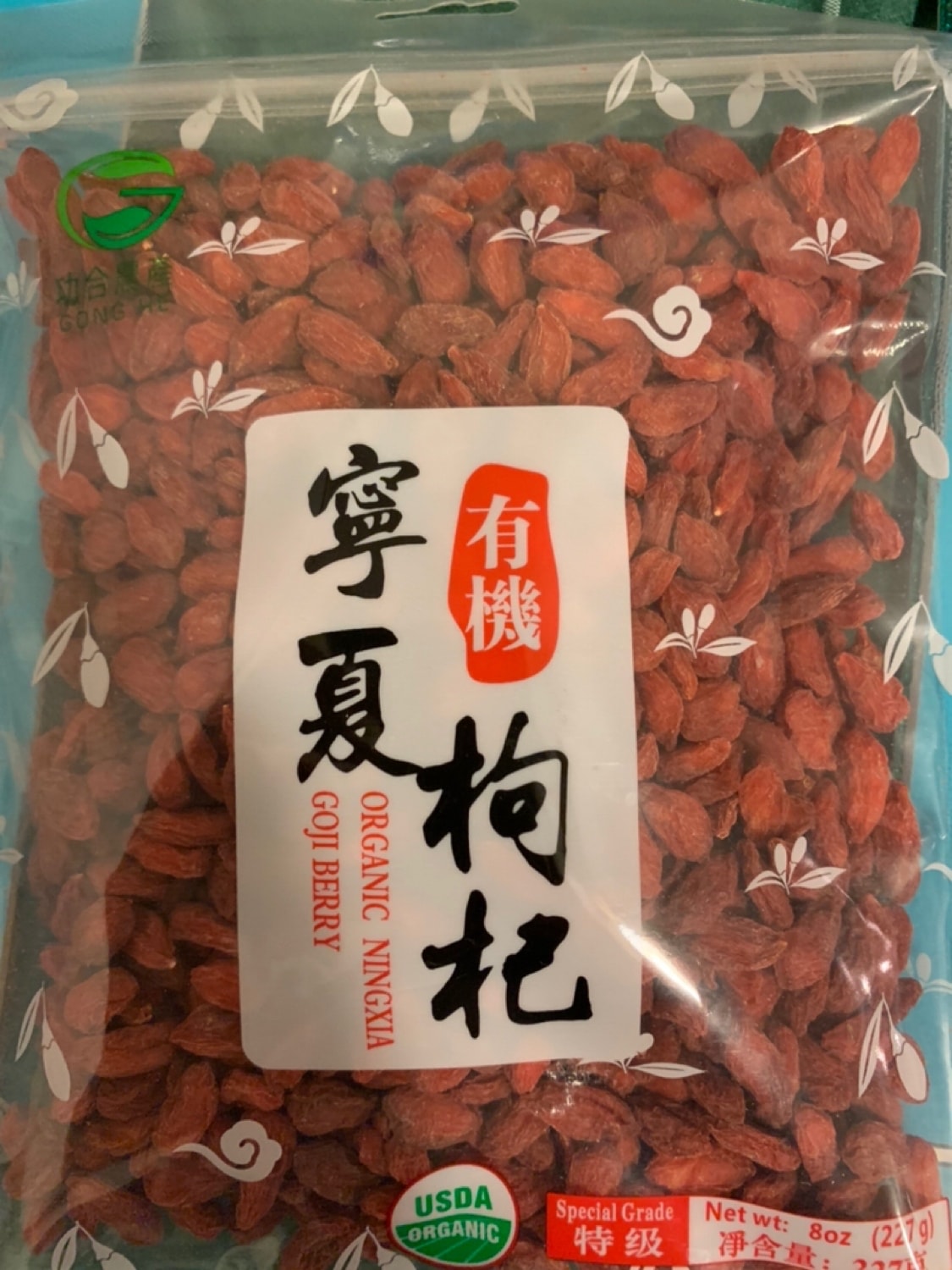

Very good wolfberry, recommended to buy!
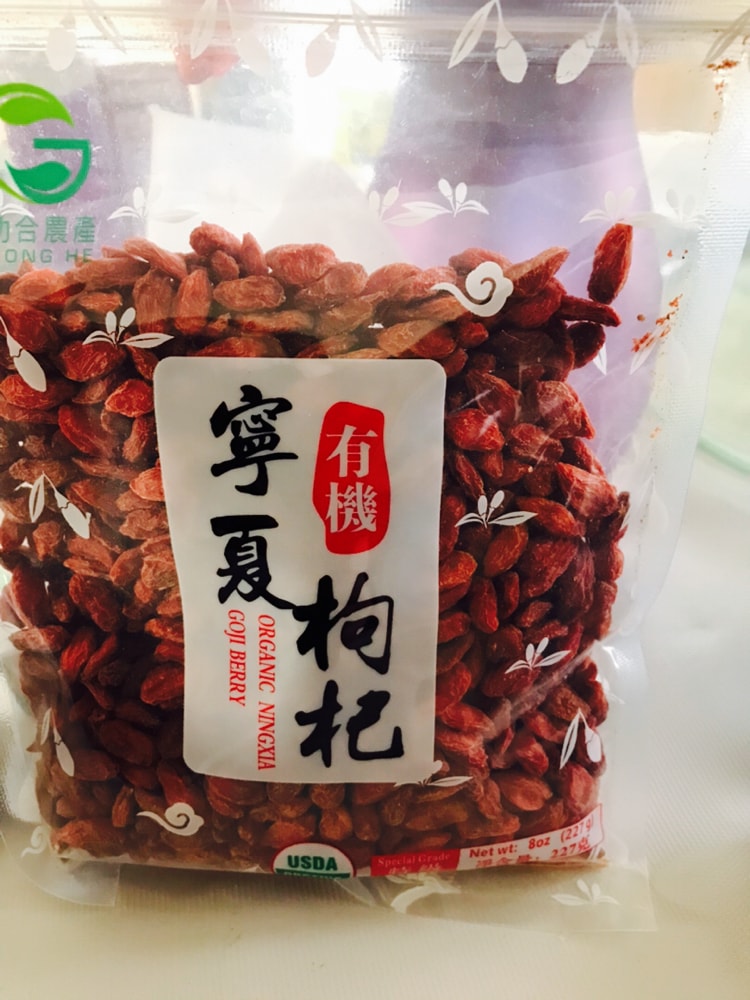

Very good, healthy and delicious

good
We answer everything you want to know about Wolfberry.
Wolfberry and goji berry are two names for the same fruit, typically from the Lycium barbarum or Lycium chinense plants. In the West, they are commonly called goji berries, while in the context of Traditional Chinese Medicine, they are often referred to as wolfberries or Gou Qi Zi.
Wolfberries are a nutritional powerhouse rich in antioxidants like zeaxanthin, as well as vitamins A and C. They are traditionally used to support eye health, boost the immune system, and promote liver and kidney health. Many people consume them to improve energy levels and skin vitality.
Dried wolfberries are incredibly versatile. You can snack on them raw, steep them in hot water to make wolfberry tea, or add them to smoothies, oatmeal, and yogurt. In Asian cuisine, they are frequently added to savory soups, porridges, and herbal stews for a touch of natural sweetness.
While generally safe, wolfberries may interact with certain medications, particularly blood thinners like warfarin, or medications for diabetes and blood pressure. Pregnant women should consult a doctor before consumption. Always choose high-quality sources like Yami to ensure purity and avoid contaminants.
Black wolfberry (Lycium ruthenicum) is prized for its exceptionally high content of anthocyanins, powerful antioxidants that give the berries their deep purple color. Compared to the common red wolfberry, black wolfberries are often used specifically for their superior anti-aging and skin-protecting properties.

Download the Yami App
Feedback