




 Choice
碧落
09/03/2026Verified Purchase
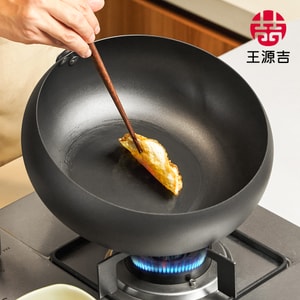
Good pot, very light, suitable size for a family of 4. After seasoning, it's not sticky. Occasionally, it sticks a little, but based on experience, it will become less sticky with use.
Editor's Picks
Products
Good pot, very light, suitable size for a family of 4. After seasoning, it's not sticky. Occasionally, it sticks a little, but based on experience, it will become less sticky with use.

Quite useful

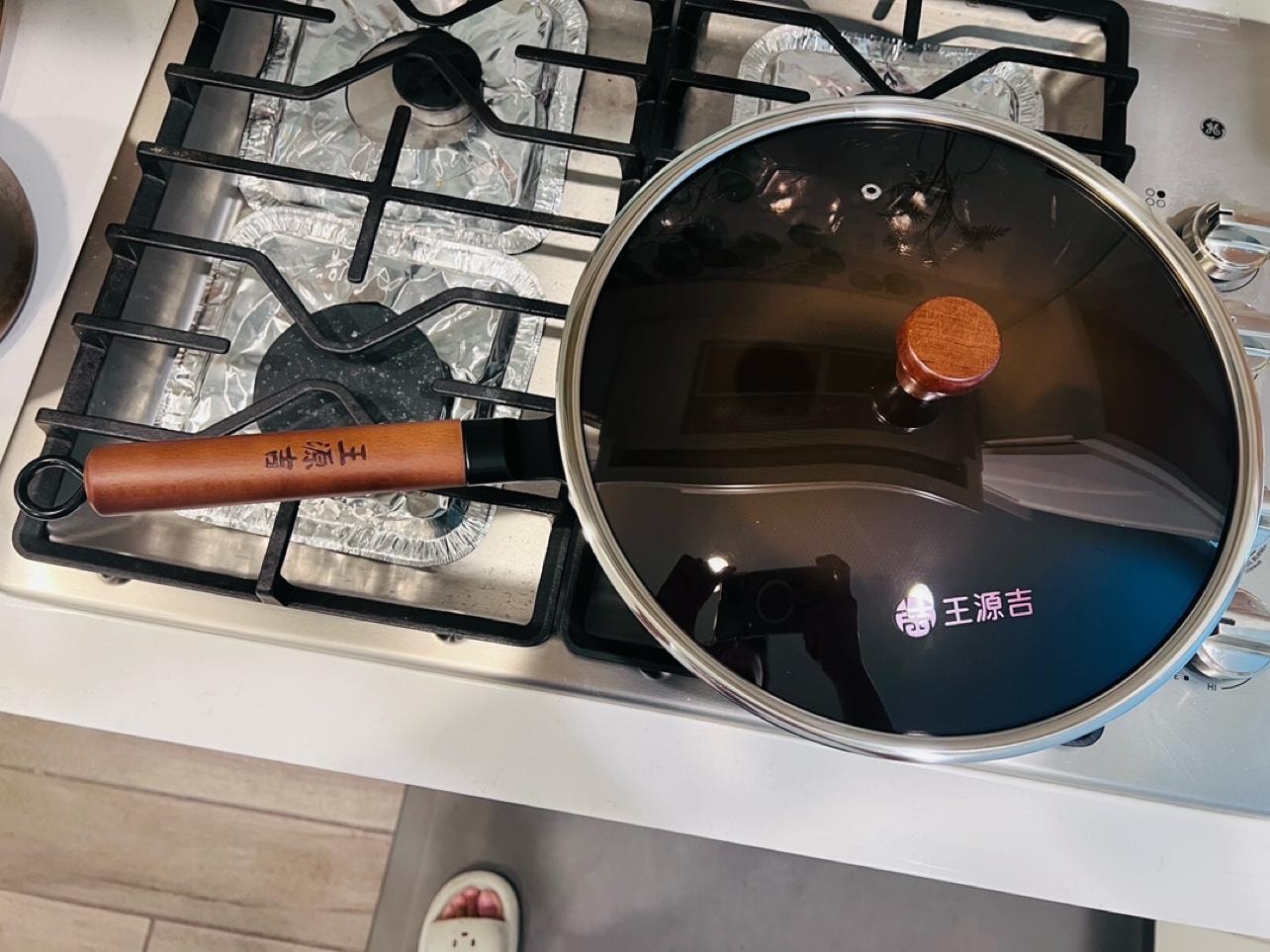
I bought this pot six months ago, and it's really great to use on my first try. It's lightweight and quick.
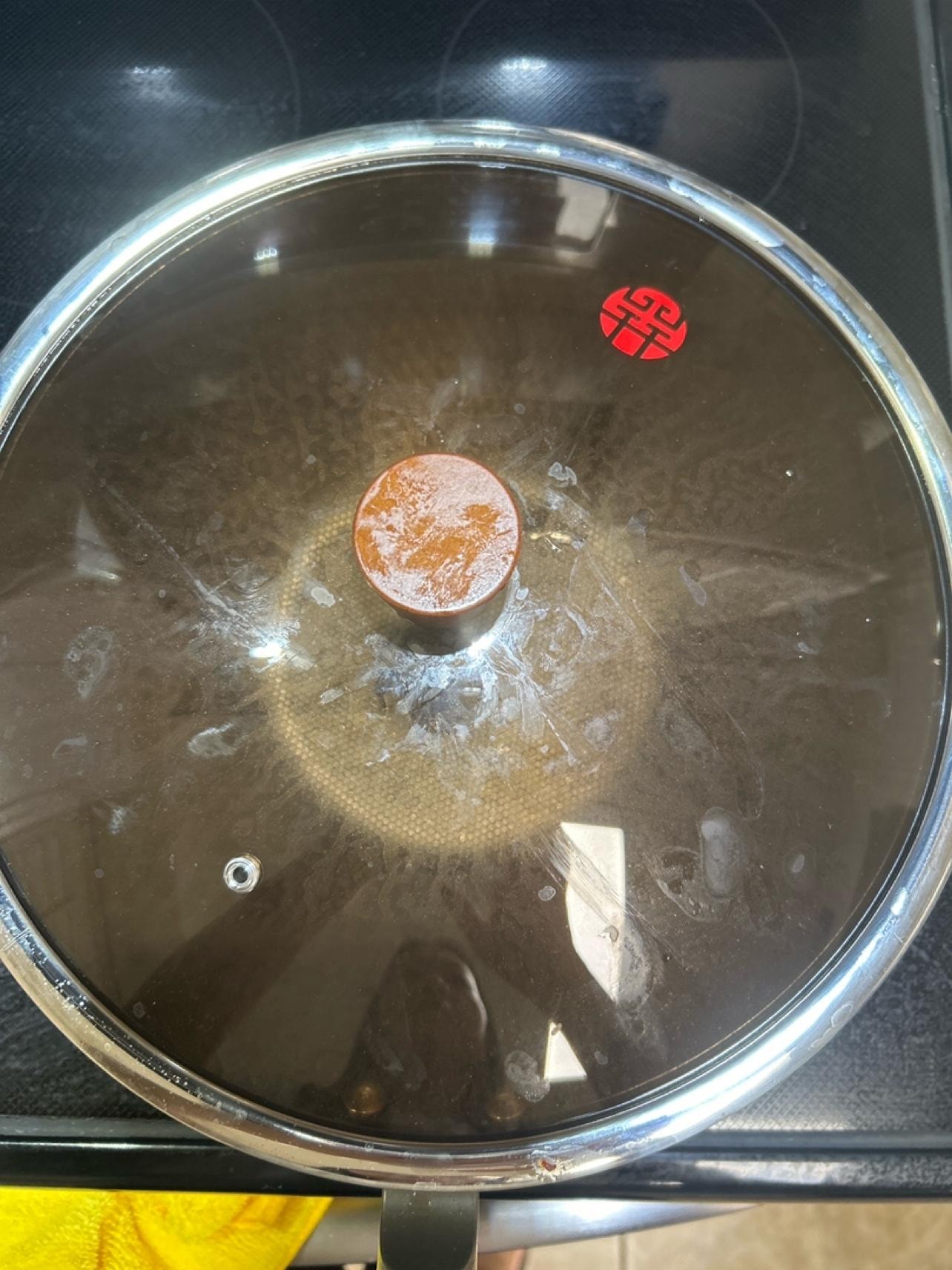

It's really light.
I found several models online. Finally chose this one. Very satisfied 👍

Very suitable for stir-frying. It heats up quickly, but it still sticks to the pan a little bit. But it's pretty good. It's very useful. I bought it in August last year and it has no rust.

It's really light. The maintenance instructions are very detailed. I've been using it for almost three months, and it works great; it's non-stick.

I bought it and I hope I can get a free order~
Very easy to use, lightweight, and heats up quickly.

Easy to use 👍

good

This pot is very useful. I have used it for two months and it feels very durable and not particularly difficult to take care of. Most importantly, the weight is just right.
We answer everything you want to know about Kawali Pan.
A kawali is a traditional Filipino deep, round-bottomed cooking pan, similar to a wok. It is specifically designed for high-heat cooking techniques like deep-frying, searing, and stir-frying, making it an essential tool for preparing classic Filipino dishes.
Kawali pans are typically made from durable materials like cast iron or heavy-gauge carbon steel. These materials are chosen for their excellent heat retention and ability to withstand the high temperatures required for traditional stir-frying and deep-frying.
While both are deep, round-bottomed pans used for similar cooking styles, a kawali is specifically the Filipino version of a wok. They are often used interchangeably, but a kawali may feature specific handle designs, such as dual side-handles, common in traditional Filipino kitchens.
To maintain your kawali, especially if it is made of cast iron or carbon steel, hand wash it with warm water and mild soap, then dry it immediately to prevent rust. Applying a thin layer of cooking oil after drying helps preserve the surface and maintain its performance.
Yes, a kawali is perfect for deep-frying dishes like lechon kawali, as well as stir-frying pancit or simmering stews. Its deep shape allows for easy tossing and ensures even heat distribution, making it a versatile addition to any kitchen.

Download the Yami App
Feedback