



Mid KnightLily
08/11/2021Verified Purchase
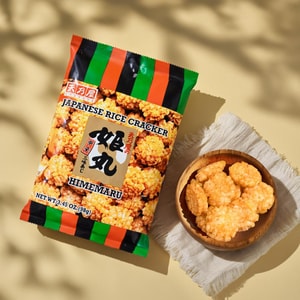
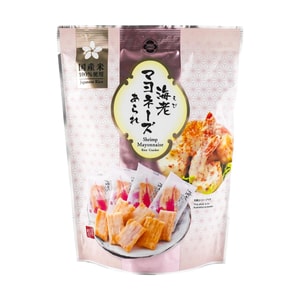
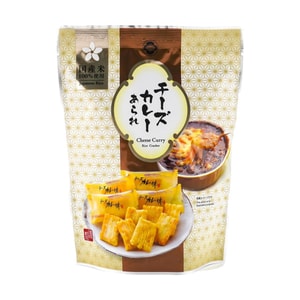
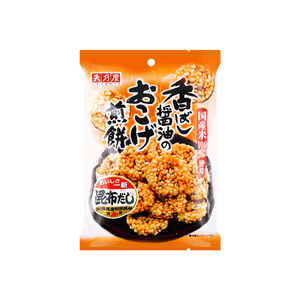
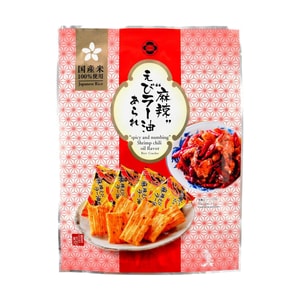
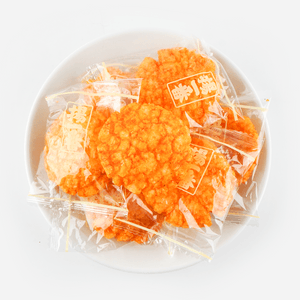
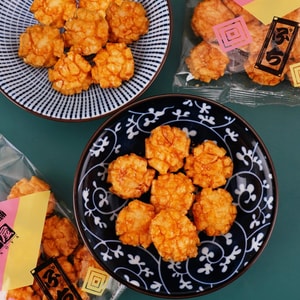
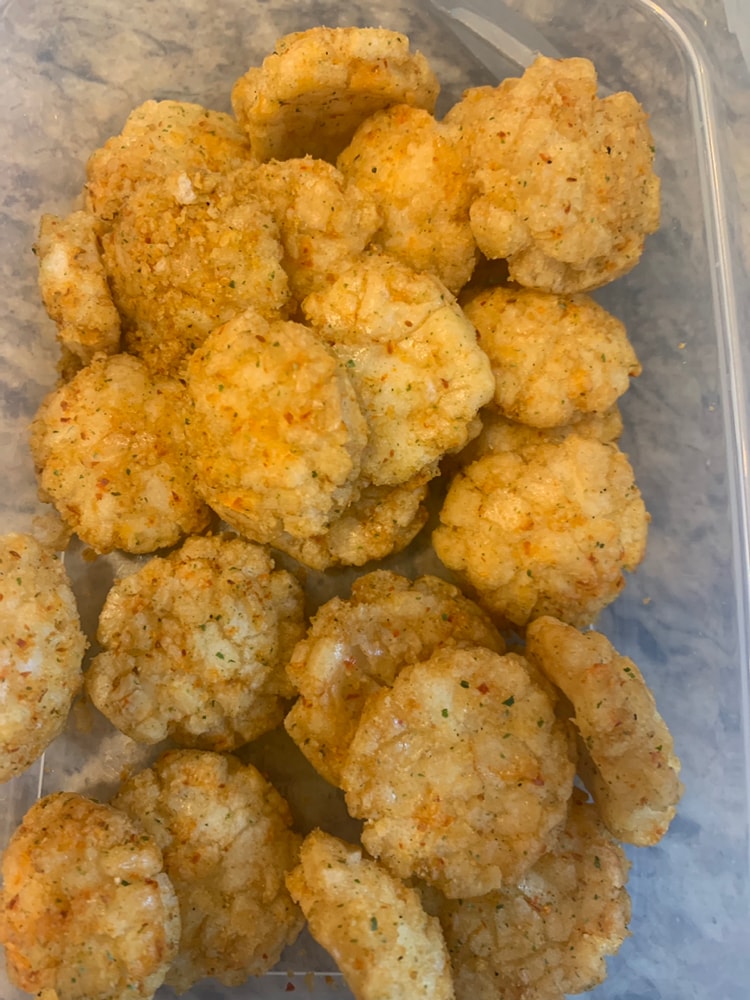
It's a bit spicy, sweet and salty, it's delicious 🤤. Crispy, crunchy, salty and a little sweet and spicy. So good.
It's a bit spicy, sweet and salty, it's delicious 🤤. Crispy, crunchy, salty and a little sweet and spicy. So good.

These are a good crunchy snack, the flavor is light
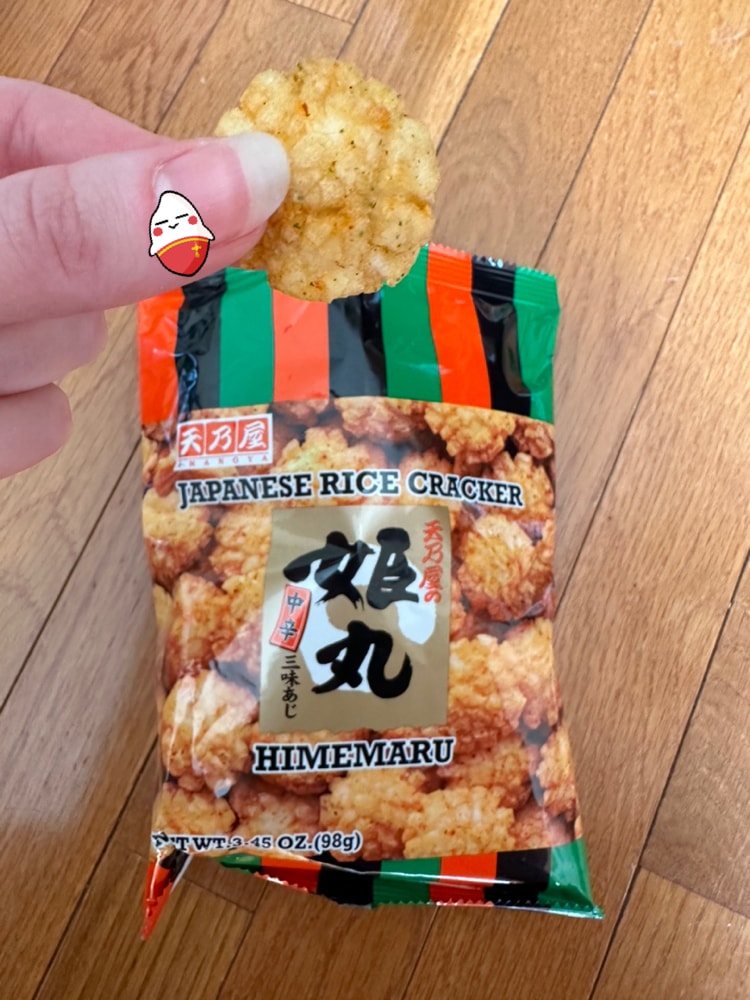
great
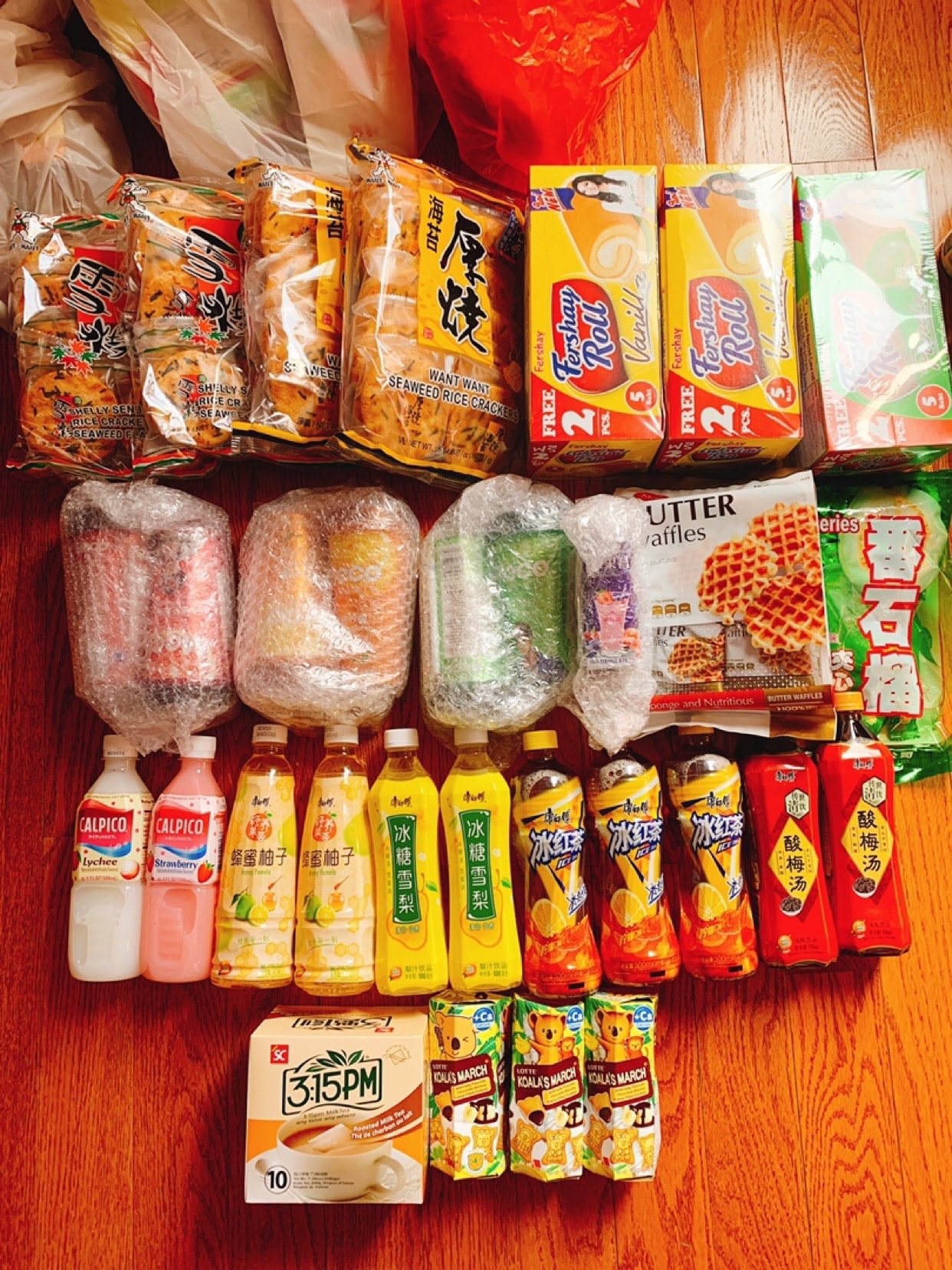

As soon as I opened the box today, I saw that every packet was shattered? The packaging was so good before, but I don’t know why it was so sloppy this time!
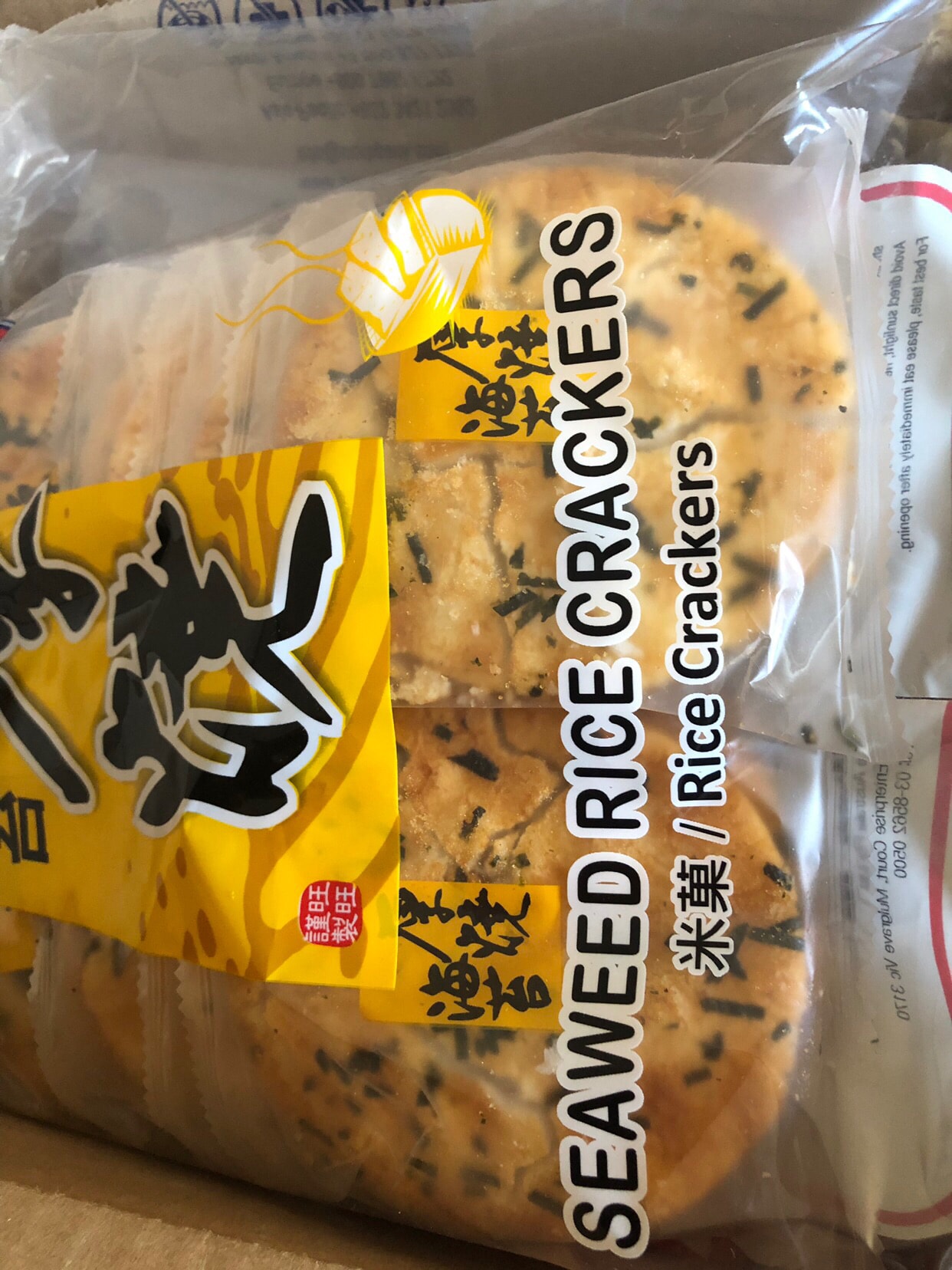

Sweet and spicy perfection!

couldn't get enough really loved this

Sooo good, dangerously so. Perfect savoriness and crunch with each bite.

so love, perfectly crunchy flavors just right

Just what I wanted, and great prices!

tasty

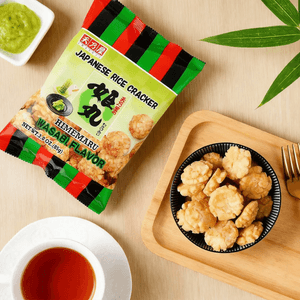
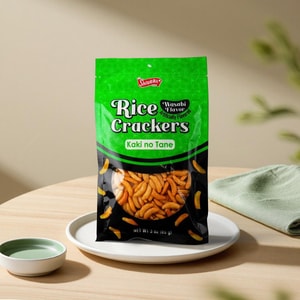
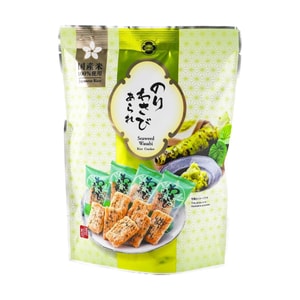
Love this! There is also a wasabi that tastes good too!
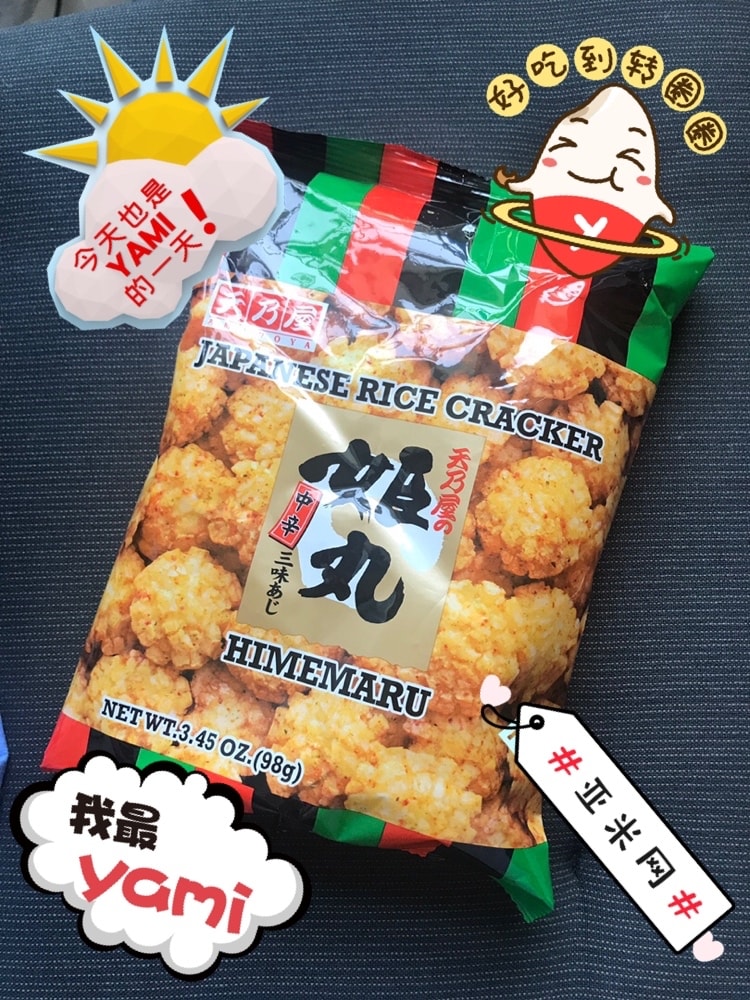

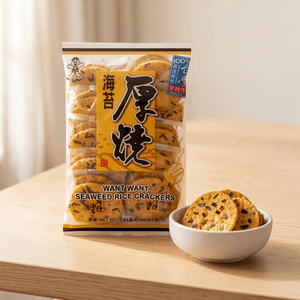
Good taste, crunchy and crispy, taste a bit like a Wangwang brand crispy that I ate when I was a child, it was delicious, and I will buy it again, praise 👍
We answer everything you want to know about Japanese Rice Crackers.
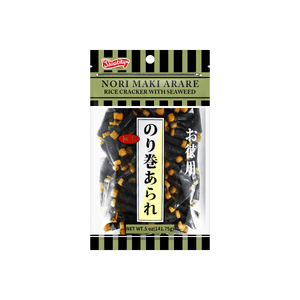
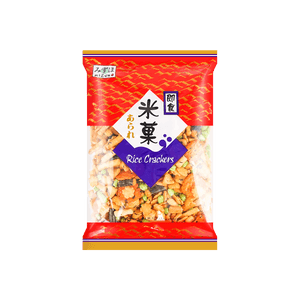
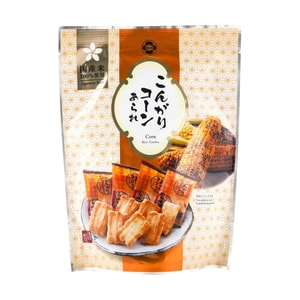
Japanese rice crackers are broadly known as "senbei" (煎餅). Smaller, bite-sized versions made from glutinous rice are often called "arare" (あられ) or "okaki" (おかき). Each type offers unique textures and flavors.
Japanese rice crackers can be a relatively light snack option, especially those that are baked and lightly seasoned. However, their healthfulness varies depending on ingredients, frying methods, and added sugars or sodium. Yami offers a range of options, allowing you to choose based on your dietary preferences.
The main types include Senbei (larger, often savory, made from non-glutinous rice), Okaki (larger, chewier, made from glutinous rice), and Arare (smaller, bite-sized, also from glutinous rice). They come in various flavors like soy sauce, seaweed, and chili.
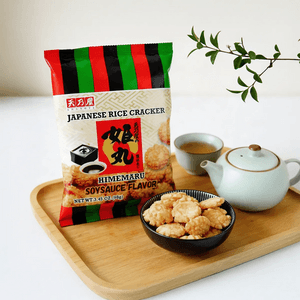
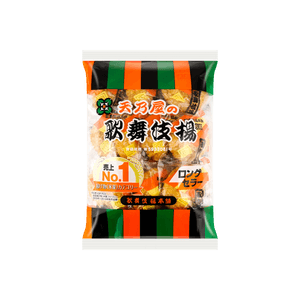
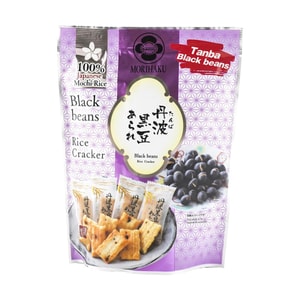
Yami features popular Japanese rice cracker brands such as Amanoya, Kameda, Shirakiku, and Morihaku. These brands offer a wide array of flavors and styles, including classic soy sauce, spicy, and seaweed varieties.
The typical shelf life for Japanese rice crackers ranges from 3 to 12 months, depending on the packaging, storage conditions, and whether preservatives are used. Always check the best-before date on the package for optimal freshness.

Download the Yami App
Feedback